
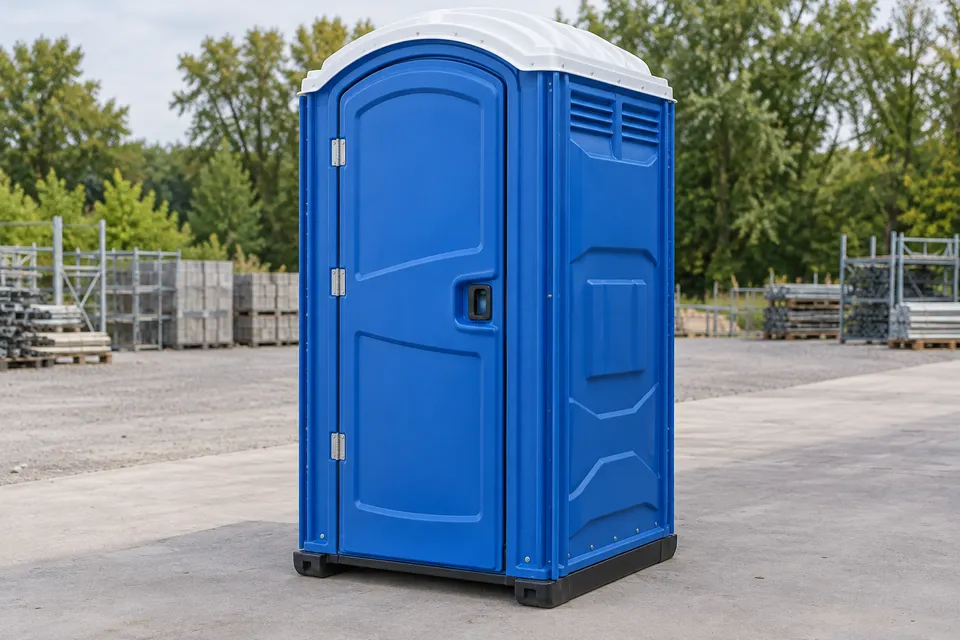
Plan the details before delivery.
An RV or camper restroom rental works best when it is planned around how people will move through the campsite or temporary parking area. Start by estimating the number of campers, visitors, and day guests who may use the unit, then consider how long they will remain on site. A single family staying briefly has different needs from a group gathering, a multi-camper weekend, or a property hosting guests over several days.
Think about the busiest times, including mornings, meal periods, evening activities, and arrival or departure days. A unit should be near enough to be convenient but positioned with appropriate privacy and a clear walking route. Avoid placing it directly beside cooking, dining, sleeping, or fire gathering areas when another suitable location is available.
The ground should be level, firm, and free of low limbs, overhead lines, deep ruts, or obstacles that limit delivery access. On wooded lots and rural campsites, measure narrow entrances and consider turns, gates, bridges, soft shoulders, and parked RVs before selecting a placement area. Delivery access is important even if the unit will sit only a short distance from the camper.
Keep the approach route open and let the team know about directions, gate codes, terrain, or site contacts. For longer stays, plan for the unit to remain reachable when awnings, tents, coolers, extra vehicles, and outdoor furniture are set up. If someone in your group has accessibility considerations, communicate those needs while discussing the rental.
Thoughtful placement can preserve space for recreation while making restroom access simple for everyone who will be using the campsite.
Rental timing is especially useful to confirm for RV and camper use because many stays have firm arrival and departure windows. Provide your planned dates, the best time for access, the location of the campsite, and whether anyone will be available to guide placement. If the property is a residence, private lot, campground, or event location, explain any rules that affect entry or where a unit may be positioned.
Quote factors can include the rental duration, number of units, expected use, service requirements, and the ease of reaching the selected location. For a gathering that may grow after initial planning, it is better to discuss the expected maximum attendance rather than only the confirmed campers. Weather also deserves attention.
Rain can make grass, dirt roads, and unpaved pads difficult to use, while heat can increase the importance of a clean, regularly managed setup. Choose a site with drainage and keep the access path as dry and clear as practical. Do not move the unit after delivery without coordinating, as a new location may affect safe access and the planned service route.
For extended RV stays, review how frequently the unit is being used and let Little Elm Porta Potty Rentals know if the group size or schedule changes. The company focuses on fast service, good quality service, and prompt, professional customer service for customers in the Little Elm area. Call (945) 363-8777 to discuss a rental; calls are accepted 24/7.
A clear site description, realistic guest estimate, and accessible placement area help create a portable toilet arrangement that supports the trip without crowding the space you came to enjoy.
Confirm, then prepare the site
Agree the equipment and schedule directly. Before arrival, keep the approach clear and ensure the on-site contact knows the chosen position. If conditions change, raise the issue before the delivery or service visit rather than improvising a move.